Clinical Guides
Red Light vs Blue Light Therapy: Which Is Best for Your Skin? (2026 Guide)
Published 6/22/2026
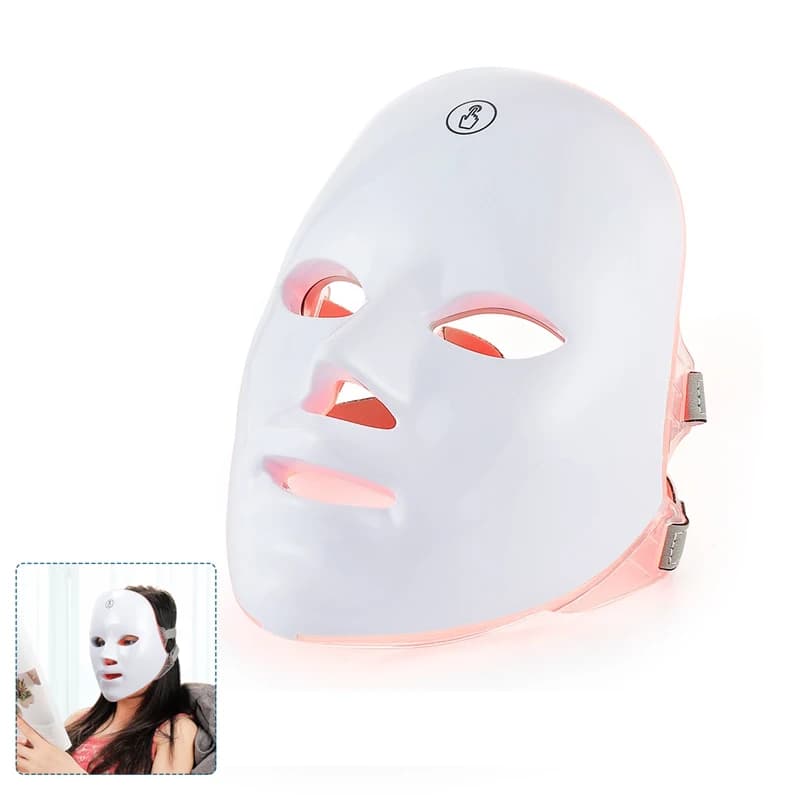
In the realm of professional beauty technology, not all wavelengths are created equal. To the uninitiated, an LED device is a simple glow; to the itsskk client, it is a calibrated tool for dermal transformation.
Understanding the fundamental biophysics of red light vs blue light therapy is the difference between superficial maintenance and cellular-level repair. In this guide, we break down photobiomodulation protocols to help you select the optimal spectrum for your skin’s architecture.
1. Red Light Therapy: The Architect of Collagen
Wavelength: 630nm - 660nm
Primary Function: Cellular Regeneration & Anti-Aging
Red light therapy, scientifically known as photobiomodulation, penetrates deep into the dermis. Its primary target is the mitochondria, the cell's powerhouses. By stimulating adenosine triphosphate (ATP) production, red light provides the energy required for cells to repair themselves and produce high-quality collagen.
- Collagen Stimulation: Reduces the appearance of fine lines and structural sagging.
- Dermal Repair: Accelerates healing and reduces inflammation.
- Enhanced Circulation: Boosts oxygen flow to the skin for a natural, lit-from-within glow.
The Elite Protocol: For total-body repair and high-intensity facial rejuvenation, we recommend the itsskk Professional 225 LED Photobiomodulation Panel.
2. Blue Light Therapy: The Sentinel Against Acne
Wavelength: 415nm
Primary Function: Antibacterial & Purification
While red light focuses on repair, blue light is purely corrective. Its primary target is P. acnes, the bacteria responsible for inflammatory acne. Blue light therapy induces a photochemical reaction that produces free radicals specifically targeted at the bacteria, destroying them without damaging the surrounding tissue.
- Bacterial Eradication: Targets the root cause of breakouts.
- Sebum Regulation: Helps control overactive oil glands.
- Surface Purification: Refines the skin’s texture and prevents future congestion.
3. The itsskk Comparison Matrix
Red Light Therapy is ideal for fine lines, scarring, and general dullness. It is best used 3-5 times per week for deep dermal repair.
Blue Light Therapy is ideal for active breakouts and oil control. It should be used primarily during active breakout cycles for surface purification.
4. Why Synergy is the Elite Choice
For the modern, diverse skin tone, skin concerns are rarely singular. You may be managing adult acne while simultaneously seeking to prevent hyperpigmentation or loss of elasticity.
This is where the itsskk Professional 7-Color Flexible LED Mask excels. By combining the regenerative power of red light with the purifying properties of blue light, along with five other clinical spectra, you can execute a multi-layered treatment protocol in a single session.
5. Maintenance and Frequency
Consistency is the only variable that cannot be engineered. Your dermal cells require regular reminders to maintain their optimized state.
- For Anti-Aging: 10-20 minute sessions, 3-5 times per week.
- For Acne: 10-minute targeted sessions until the breakout subsides.
The itsskk Verdict
Choosing between red and blue light is not a matter of quality, but of intent. Red is for the foundation; Blue is for the surface. By integrating both into your weekly regimen, you ensure that your skin is not only clear of impurities but structurally resilient.
The itsskk Clinical Standard
Our guides are developed to bridge the gap between clinical technology and at-home rituals. For personalized guidance, book a session with our specialists.
Book Consultation