Clinical Guides
The Science of Spectrum: How a Professional LED Light Therapy Device Actually Transforms Your Skin
Published 4/24/2026
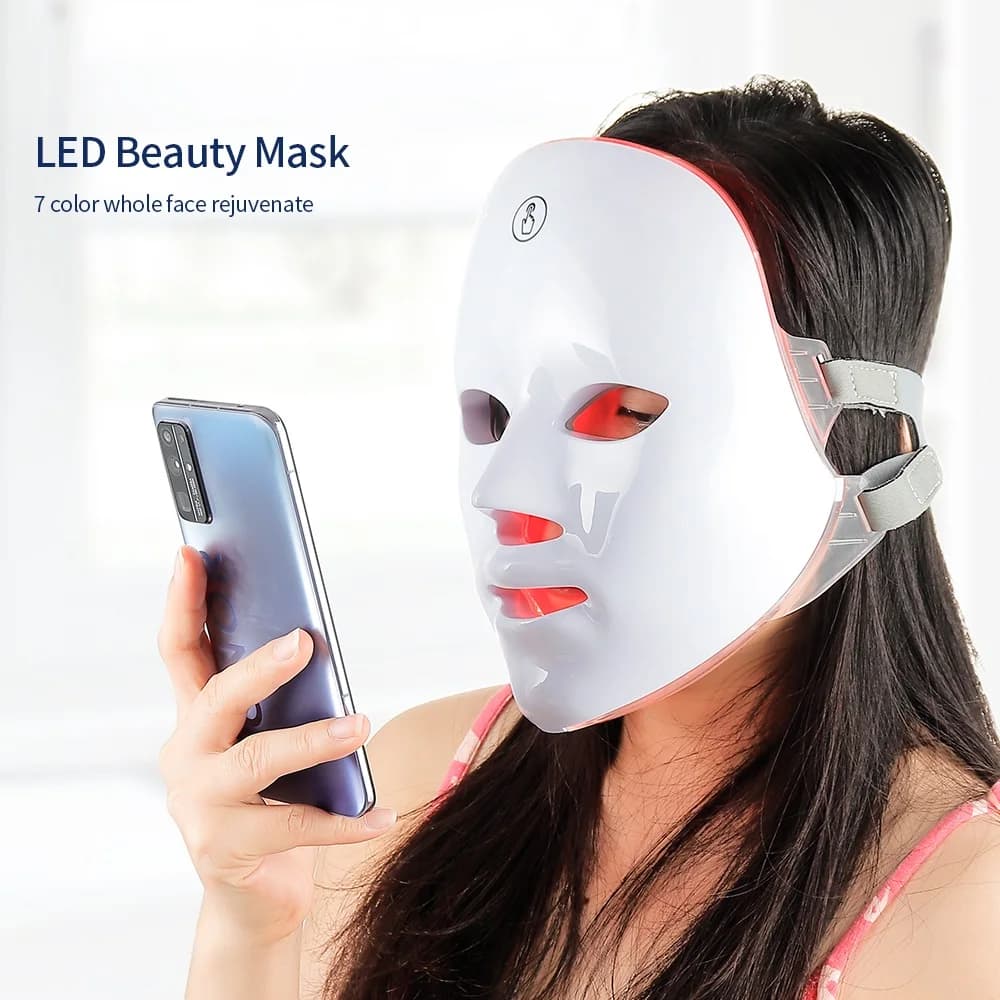
You have likely seen them across social media and high-end skincare clinics, futuristic masks emitting a soft glow. But in 2026, the LED light therapy device is no longer a trend. It has become a clinical-grade solution for improving skin health at a deeper level.
At itsskk, we approach skincare differently. We don’t treat devices as simple tools; we see them as advanced systems designed to support real skin regeneration and long-term transformation.
If you're exploring professional skincare devices at home, understanding how light interacts with your skin is the first step toward achieving visible results.
The Science of Photobiomodulation
When using a professional LED light therapy device, you are activating a process known as photobiomodulation. This refers to the use of targeted light wavelengths to stimulate biological activity within your skin.
Unlike traditional skincare, which works on the surface, light therapy penetrates deeper layers of the skin to reach the mitochondria, the energy source of your cells. This increases the production of ATP (Adenosine Triphosphate), helping your skin repair damage, reduce inflammation, and improve overall function.
This is why LED therapy is considered one of the most effective non-invasive skin treatments available today.
Understanding the Spectrum: Why Wavelength Matters
To achieve real results, the correct wavelengths must be used. A high-quality LED light therapy device utilizes specific frequencies designed to target different skin concerns:
- 630nm Red Light: Supports collagen production and helps reduce the appearance of fine lines and wrinkles.
- 470nm Blue Light: Targets acne-causing bacteria and helps improve skin clarity.
- Near-Infrared Light: Penetrates deeper layers to support healing and reduce inflammation.
This combination of wavelengths allows for a complete skin rejuvenation process, addressing both surface-level concerns and deeper structural issues.
The itsskk Professional Protocol
Technology alone does not deliver results; consistency and proper usage do. When using a professional system like the itsskk Professional 3 in 1 Targeted Phototherapy Wand for Oral and Dermal Recovery , we recommend maintaining a structured routine.
For optimal results, use your LED light therapy device for 10–20 minutes per session, 3–5 times per week. This allows your skin to gradually respond to the treatment and build long-term improvements.
Consistency is key. Over time, this process supports collagen stimulation, improved skin tone, and enhanced overall texture.
itsskk Clinical Tip
Always cleanse your skin before using your device. Oils, dirt, and makeup can block light penetration and reduce effectiveness. For best results, apply serums after your session when your skin is most receptive to absorption.
Benefits of LED Light Therapy at Home
Using an LED light therapy device consistently can help improve:
- Skin tone and texture
- Fine lines and signs of aging
- Acne and breakouts
- Overall skin clarity and glow
As a non-invasive solution, it allows you to maintain a professional-level skincare routine without needing frequent clinic visits.
The itsskk Verdict
The modern skincare routine is evolving. By using a professional LED light therapy device, you are not just treating your skin, you are actively supporting its long-term health and structure.
If you're ready to upgrade your skincare routine with advanced technology, now is the time to take action.
The itsskk Clinical Standard
Our guides are developed to bridge the gap between clinical technology and at-home rituals. For personalized guidance, book a session with our specialists.
Book Consultation